
How Much Money Do You Actually Save Making Coffee at Home?
We ran the real numbers on coffee at home vs. coffee shop costs in 2025 — plus what happens if you invest the savings over 10 or 20 years. The latte factor debate, settled.

You've heard the pitch. Stop buying lattes, invest the difference, retire rich. It sounds almost too simple — and, to plenty of people, deeply annoying.
The "latte factor" has been kicking around personal finance circles for nearly 30 years. It's been praised, ridiculed, and used as shorthand for everything people find preachy about money advice. So let's set the moral arguments aside entirely and just run the numbers.
How much money do you actually save making coffee at home? And what does that savings realistically add up to over time?
The Real Cost of Your Coffee Habit in 2025
Before we do any math, let's anchor the numbers to what coffee actually costs today — not five years ago, not hypothetically.
Coffee shop prices today
The average American coffee drinker isn't ordering a plain drip. But even if they were, prices have climbed. A standard drip coffee at a café now runs $2.50–$3.52. A latte or specialty espresso drink? You're looking at $5–$7. A Starbucks grande specialty drink sits at $5.17–$6.25, plus tip, plus the 8 minutes you spent in line.
Those prices will likely keep rising. Coffee supply chains are under pressure from climate impacts on growing regions — droughts in Brazil and Vietnam have squeezed supply — and, in 2025, ongoing tariff uncertainty pushing up import costs. The $5 latte isn't going anywhere — and in two years it might be $6. Several major chains have already raised prices twice in the past 18 months.
What coffee costs at home
At home, the math is very different:
| Type | Cost per cup |
|---|---|
| Drip / ground coffee | $0.30–$0.60 |
| Espresso at home | $0.50–$0.80 |
| Home latte (espresso + milk) | $1.00–$1.50 |
Even a proper home latte with quality beans and fresh milk caps out around $1.50. And this is with decent specialty beans — not the grocery store stuff. The equipment cost is real — more on that in a moment — but the per-cup economics are dramatic. It's essentially a 70–85% cost reduction per cup, every day.
The annual math (and it adds up faster than you think)
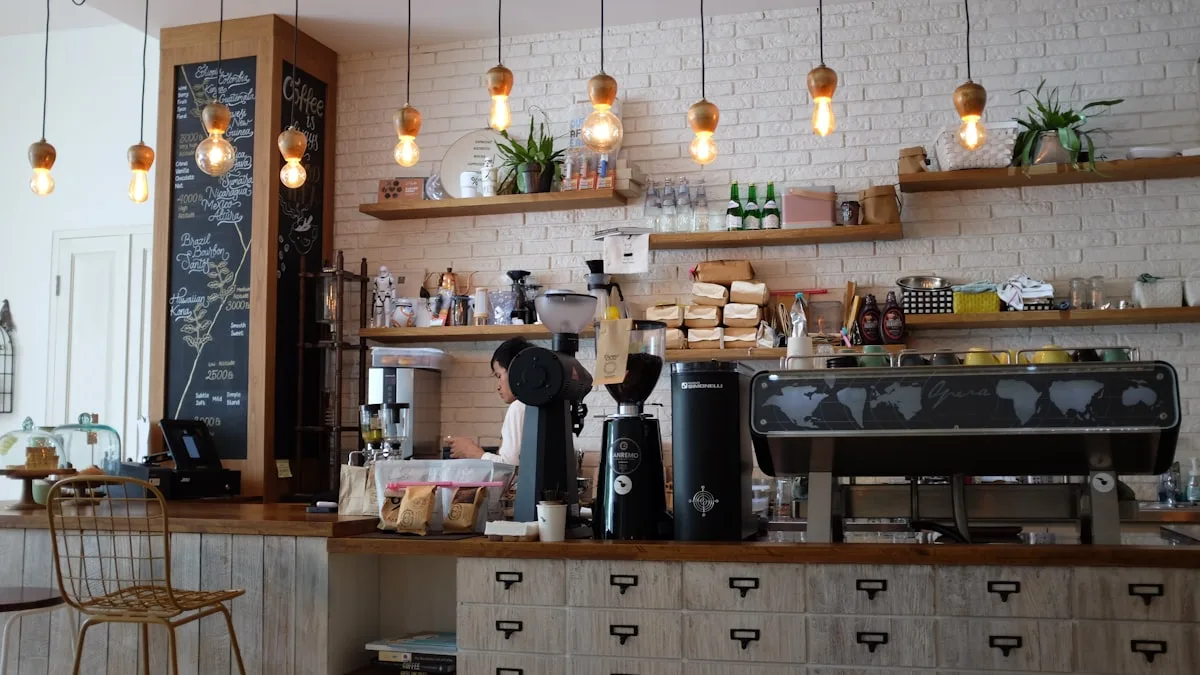
If you buy one latte per day (7 days a week) at $5–$7 and swap it for a home-made version at $1–$1.50, you're saving roughly $3.50–$5.50 per cup.
Over a year, that's:
- $1,100–$1,800 saved if you buy a latte every day
- $800–$1,200 saved if it's just weekdays
- $700–$1,100 saved if you're swapping a drip coffee every day
What about equipment? The payback period is faster than most people expect:
- Basic drip machine (~$150): paid off in 1–2 months of savings
- AeroPress (~$70): paid off in about a month
- Mid-range espresso setup ($300–$700): 3–8 months
- Premium setup ($700–$1,000): 8–12 months
After that, the savings are essentially pure. The machine you bought last spring is still making your morning coffee — for cents per cup.
What Happens If You Invest the Difference?
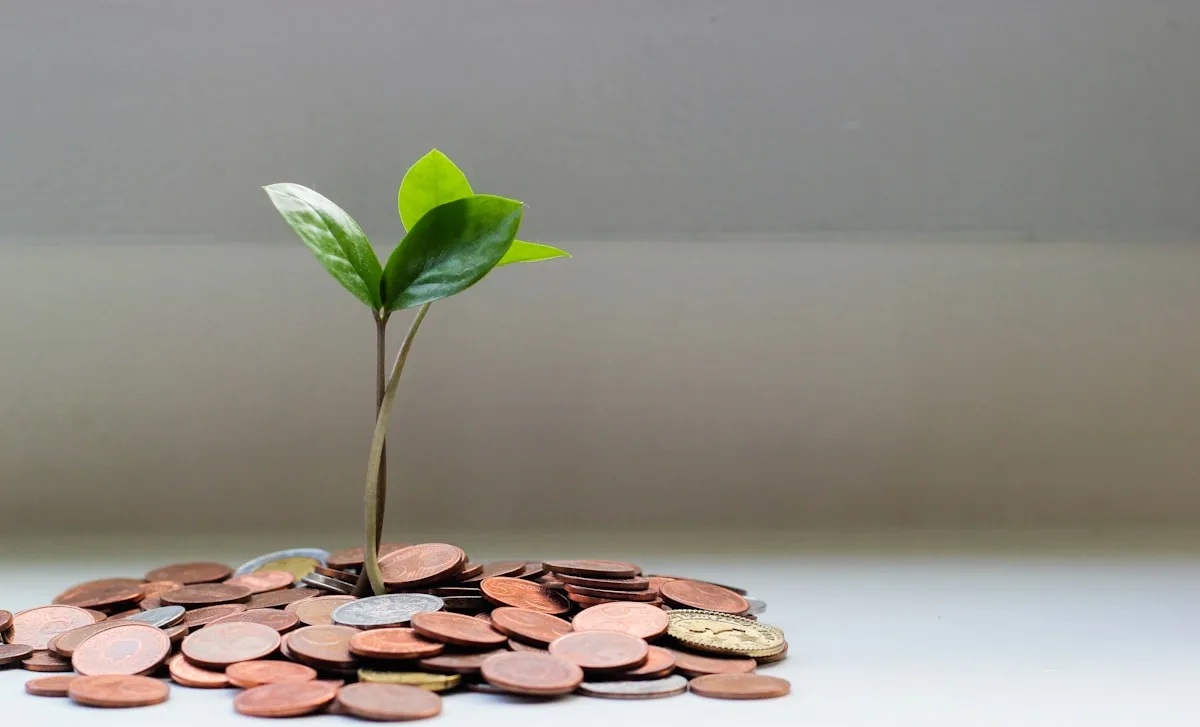
This is where the latte factor argument lives or dies. The savings are real. The question is whether you actually do something with them.
Let's model it properly, using 6% compound annual return — a reasonable long-term assumption for a diversified index fund portfolio, more conservative than the numbers that critics (fairly) accused David Bach of inflating in the early 2000s.
5, 10, and 20-year projections at 6% compound growth
Scenario A: Latte drinker, saving $5/day
| Time horizon | Total invested | Value at 6% return |
|---|---|---|
| 5 years | ~$9,125 | $10,568 |
| 10 years | ~$18,250 | $24,710 |
| 20 years | ~$36,500 | $68,960 |
Scenario B: Drip coffee drinker, saving $4/day
| Time horizon | Total invested | Value at 6% return |
|---|---|---|
| 5 years | ~$7,300 | $8,454 |
| 10 years | ~$14,600 | $19,768 |
| 20 years | ~$29,200 | $55,168 |
These are not hypothetical unicorn numbers. They're based on monthly contributions invested consistently, compounding at 6% per year — the kind of math a standard index fund calculator will confirm. It assumes you're not spending the savings, not losing them to fees, and not panicking and selling during a down year. Boring, steady, automatic.
Over 20 years, the latte-switcher who invests the difference ends up with nearly $69,000 from what used to be their daily coffee budget.
Why compound interest makes this more interesting than it looks
The counterintuitive part of compound interest is the back half of the timeline. Look at the latte scenario:
- Years 1–10: you go from $0 to ~$24,700
- Years 11–20: you go from $24,700 to ~$69,000
That second decade adds over $44,000 — more than the first decade and the contributions combined. The money starts working much harder once there's a meaningful base. That's why the 20-year number looks almost implausible compared to the 5-year number.
This isn't magic. It's math. And it only works if you actually invest the savings consistently — which is the part most people skip. The habit of saving matters more than the perfect investment vehicle. A low-cost index fund with automatic contributions will beat a manual "I'll invest when I remember to" approach almost every time, regardless of where you started.
One thing worth noting: 83–87% of American coffee drinkers already brew at home daily, according to recent industry surveys. The Gen Z home coffee bar aesthetic — complete with aesthetically arranged beans, matching mugs, and a manual grinder — is genuinely trending on social media. So the social script is shifting. Making coffee at home is no longer the sad, boring alternative. For a lot of younger consumers, it's the preferred one.
The Latte Factor — Where It Came From (and Why People Hate It)
If you've spent any time in personal finance spaces, you've encountered the latte factor. Probably while rolling your eyes.
David Bach's original idea
Financial author David Bach coined the term in 1995 and popularized it in Smart Women Finish Rich (1999). The core idea: most people have small daily expenses they don't think about — a latte, a muffin, a magazine — that, over time, drain thousands of dollars that could have been invested.
Bach's formula was simple: identify your latte factor, cut it, automate the savings, and watch compound interest do the rest. The book sold millions of copies. The term became part of the financial vocabulary.
The fair criticism — what it gets wrong
The latte factor has attracted serious critics over the years, and they have real points.
Journalist Helaine Olen, in Pound Foolish, argued that Bach's original projections used unrealistically high return assumptions — sometimes 11% — to make the numbers look dramatic. (That's why this article uses 6%.) She also pointed out that focusing on small discretionary spending obscures the bigger, structural forces behind financial stress: stagnant wages, rising housing costs, healthcare expenses, student debt.
Ramit Sethi — another high-profile personal finance voice — has made a similar argument: yelling at people to skip lattes misses the actual levers that move the needle on wealth. Buying a house in the right market, negotiating your salary, picking the right investment accounts — those decisions are worth 10x or 100x more than any coffee habit.
Both critiques are valid. If you're spending $5 on coffee but losing $500 a month to an underperforming savings account or a salary $20,000 below market, the coffee is genuinely not the problem.
What it actually gets right (it's not about the coffee)
Here's the thing: Bach has always said it's not really about coffee.
The latte factor is a metaphor for habitual, unconscious spending — the stuff you're paying for on autopilot without ever deciding you want it. It could be subscriptions you forgot you had, dining out three times a week without thinking, or the premium cable bundle you don't watch.
The actual insight is: small decisions, made automatically, at high frequency, have compounding effects over time. That's not wrong. It's just frequently applied to the wrong target — a $5 coffee that brings genuine enjoyment — while the actual leaks ($30/month streaming bundles, food delivery fees, the gym membership from 2019) go unnoticed.
Bach's other point — that automating savings removes the willpower equation — is also solid. The behavior advice is better than the coffee-shaming.
The Behavioral Finance Reality: Why You Keep Buying Coffee Out

If the math is so clear, why does basically everyone still buy coffee out sometimes? Behavioral finance has a few honest answers.
The social ritual and self-reward psychology
Coffee isn't just caffeine. For a lot of people, the coffee shop is a social ritual — a reason to walk somewhere in the morning, a moment of calm before the day starts, a reward marker for a hard week, or a place to work for an hour outside the house.
These aren't irrational behaviors. They're human ones. A $5 latte that reliably provides 45 minutes of focus, a change of scenery, and a sense of normalcy is delivering real value. Personal finance math that ignores psychological value isn't actually personal — it's just arithmetic.
Decision fatigue and the morning routine
The morning is cognitively brutal for a lot of people. Decisions have already been made before you're fully awake: commute, kids, schedule, work. The coffee shop routine removes one decision — you don't think about it, you just go.
That reduction in decision fatigue has value. It's part of why routines are sticky and hard to change, even when the alternative is cheaper. Switching to home brewing requires building a new routine, and routines take 2–3 months to become automatic.
The visibility trap — why lattes get blamed while bigger leaks survive
There's a cognitive phenomenon at work here that makes the latte factor advice both feel true and be misleading: visibility bias.
Daily purchases feel significant because you make them consciously, repeatedly. Each coffee transaction registers. But a $14.99 monthly subscription that auto-renews? You never really "decide" to spend that money. A $180 dinner with friends? That feels like a special occasion, not a habit. Group dinners, subscription stacks, annual fees, and impulse Amazon purchases are often invisible in people's mental accounting — while the $5 latte gets all the blame.
If you want to find where your money actually goes, look at your credit card statement for the past three months. Most people are surprised.
So What Should You Actually Do?
Here's a framework that doesn't require you to choose between frugal asceticism and ignoring the math entirely.
Run the real numbers on your specific habit. How many cups per week do you buy out? At what price? What does that actually cost per year? Most people don't know this number. Knowing it doesn't obligate you to change anything, but it might tell you something.
Separate the coffee you enjoy from the coffee you don't think about. The Saturday morning latte at your favorite café, sitting outside with a book — that's worth paying for. The weekday coffee you grab on autopilot because it's there? Maybe not. Keep the former, examine the latter.
Build the home setup incrementally. You don't need a $700 espresso machine. A $70 AeroPress and decent beans will pay for itself within weeks and produce coffee that's arguably better than most chains. Start with weekdays at home, keep the weekend café ritual.
If you save money, actually do something with it. The savings are only meaningful if they go somewhere. Set up an automatic monthly transfer to an investment account the same week you cancel or reduce the habit. The automation is more important than the amount.
Don't ignore the bigger leaks. After you've figured out the coffee math, go look at your subscriptions, your insurance rates, your banking fees, and your salary relative to market rate. Those are usually where the real money is hiding.
Apps like Neo are designed exactly for this — giving you a clear view of your spending patterns so you can actually see where money goes each month, instead of guessing. The coffee line item is visible instantly. So are all the other ones.
FAQ
How much does it cost to make a cup of coffee at home?
A standard cup of drip coffee at home costs $0.30–$0.60, depending on the beans you use. A home latte (espresso + milk) runs around $1.00–$1.50 per cup. Even with a quality setup, home coffee is 70–85% cheaper per cup than buying from a café.
Is it worth making coffee at home to save money?
Yes, purely on financial terms — the savings are real and significant. Whether it's worth it for you depends on what value you get from the café experience. Making coffee at home on weekdays and saving the café for weekends is a solid middle path that most people find sustainable.
What is the latte factor in personal finance?
The latte factor is a concept coined by author David Bach, describing how small, recurring daily expenses — like a daily café latte — can add up to thousands of dollars per year. The broader point is that habitual, unconscious spending compounds over time and, if redirected to savings or investments, can meaningfully grow wealth.
How much does the average person spend on coffee per year?
Based on current café prices and average consumption, someone buying one specialty coffee drink per day spends approximately $1,500–$2,500 per year on café coffee — more if they're a regular at premium chains. Home brewers spend closer to $150–$350 annually including supplies.
What happens if you invest your coffee money?
If you save $5/day (a latte swap) and invest it consistently at a 6% annual return, you'd have approximately $10,568 after 5 years, $24,710 after 10 years, and $68,960 after 20 years. The longer the time horizon, the more dramatically compound growth amplifies the base savings.
Is the latte factor a myth?
The math behind it is real. The criticism — that it oversimplifies personal finance, shames people for harmless pleasures, and ignores structural financial challenges — is also fair. It's a useful metaphor for habitual unconscious spending, but it's not a substitute for addressing bigger financial levers like salary, housing, and debt.
How much can you save by not buying coffee every day?
Cutting a daily café latte (at $5–$7) and replacing it with home coffee (at $1–$1.50) saves roughly $1,100–$1,800 per year if you buy every day, or $800–$1,200 per year on weekdays only. Switching from café drip to home drip saves approximately $700–$1,100 per year.